

When choosing a corrugated box folder gluer machine, the purchase price is only part of the investment. Daily electricity use, glue consumption and wear part replacement also affect how much the machine costs to operate over the years. Looking at these factors before purchasing helps manufacturers compare equipment more realistically and plan for long-term production expenses.
Three Cost Lines That Continue After Installation
Electricity is usually the first to be misjudged. Buyers tend to compare the installed power of competing machines and treat the larger figure as the more expensive one to run. Installed power describes the supply the machine needs. It does not describe what the machine actually draws during a shift. Consumption depends on how the drives are arranged, whether motors are matched to their loads and whether sections idle efficiently between sheets. Older designs often power several functions from shared or oversized motors, so energy is used even where little work is being done.
Adhesive is the second line, and its waste is easy to miss. When the glue film is uneven, a heavy patch causes squeeze-out that soils belts and rollers, and a thin patch leads to seams that open later. Both outcomes have a price. The first adds glue consumption and cleaning time, and the second adds rejected cartons and rework. Stops for glue changes and roller cleaning belong in the same account, since a stationary machine produces nothing while it still occupies floor space and labor.
Wear parts form the third line. Belts, glue rollers, pneumatic components and sensors all degrade with use. A worn belt does more than need replacing. It also changes how the sheet is gripped, which affects squareness before the failure becomes obvious. Where parts are hard to reach, each replacement takes longer, and the lost hours can outweigh the cost of the part itself.
How Heavy Daily Use Magnifies Small Inefficiencies
The effect of these costs depends on how a plant runs its machine. Parcel and e-commerce cartons are typically produced in large volumes with long operating hours. At this duty cycle, a small difference in power draw or a short stoppage for a belt change is repeated many times, so even minor losses accumulate into something noticeable over a year. Delivery deadlines also make unplanned stops more disruptive than they would be in a plant with spare capacity.
Household appliance cartons stress the machine differently. The board is thicker and the blanks are larger, so conveying and pressing components carry heavier loads and wear faster. Gluing requirements are also stricter, because the seam must hold under stacking pressure in storage and transit. A plant producing these cartons often finds that wear and glue quality, not electricity, drive most of its running costs.
Beverage and household chemical packaging adds a third pattern. Production runs are long and steady, so glue consumption is high and continuous. In that setting, a small excess in glue per carton, multiplied across a full production run, becomes a meaningful quantity of adhesive. Consistency of application matters more than any single peak setting.
Design Choices in Our Machine That Help Hold Costs Down
We approach operating cost as part of machine design instead of an afterthought. On the electrical side, our two-sheet folder gluer divides the work among separate drives. The feeding section runs on its own servo motor, the folding section has an independent motor, and the left and right folding belts can be adjusted steplessly in speed, with servo configuration available as an option. A frequency converter regulates the main drive. Because each function is driven according to its own demand, motors are not forced to carry loads that belong to another section. This arrangement suits the long, continuous shifts typical of e-commerce and fast-moving consumer goods production.
Glue application is where we see the clearest link between design and running cost. The gluing section applies adhesive by mechanical roller and offers hot and cold dipping methods, with an optional spray system for plants that prefer it. A plant producing thick appliance cartons can choose the method that suits its board and adhesive, while a beverage packaging line can set a stable film and keep it. At the splicing interface, hot and cold double coating helps the bond set firmly, which reduces the chance of seams that need to be reworked. Splicing settings can be stored in memory, so returning to a known carton size does not require repeated trial runs that consume glue and board without producing saleable output.
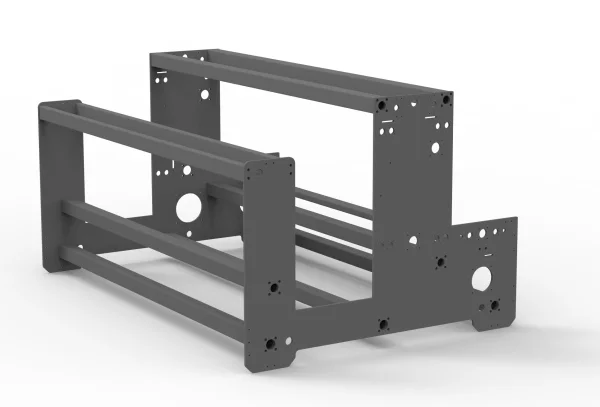
Component selection supports the wear side of the account. The frame walls are made of 16 mm cold-heat-treated plate, which keeps the structure stable and helps prevent alignment loss that would otherwise accelerate wear on moving parts. Motion and sensing components are specified from established suppliers, and the machine head uses cowhide belting, chosen for durability under continuous service. Each functional section is laid out in a clear sequence, so operators and maintenance staff can reach the parts that need regular inspection. For a plant producing large appliance cartons, easier access translates into shorter stoppages when a part does need replacing.
Habits That Keep Consumption and Wear Predictable
Even a well-designed machine benefits from a few routines. Regular cleaning of glue rollers and the glue tray prevents buildup that leads to uneven films. Checking belt tension and condition at fixed intervals gives early warning before wear affects carton squareness. Keeping a simple log of operating hours against parts changed lets a plant plan replacements during scheduled downtime instead of reacting to a failure in the middle of a shift.
Setting glue quantity and machine speed to match the board and carton style is equally useful. Plants that reuse stored settings for repeat orders avoid the trial-and-error runs that waste adhesive and sheets. Over time, these records also show which carton types place the most load on the machine, which helps in planning maintenance and in deciding on future equipment.
Running costs are shaped by design long before a machine reaches the production floor. Our folder gluer uses 16 mm cold-heat-treated plate for the frame walls, which keeps the structure rigid and vibration low, so belts, guide rails and bearings wear more slowly. Separate drives for each section keep motors within a comfortable working range, which supports a longer service life. Roller gluing with hot and cold options gives a steadier glue film, and stored splicing settings cut down trial runs, so less adhesive and board is wasted. For e-commerce, appliance and high-volume consumer goods cartons, send us your carton styles, board grades and daily output, and we will discuss which configuration of our corrugated box folder gluer machine fits your production and long-term budget.
 Application Scenarios