

Tea and coffee reach gift-givers in a wide range of formats, and the larger ones are built from corrugated board. Holiday sets, sampler collections and subscription boxes all rely on a carton that has to look presentable while still surviving transport. Many roasters and tea companies pair flexible bags with custom corrugated boxes for everyday shipments, and reserve more elaborate packaging for holiday gifts, samplers and subscriptions. The cartons at the larger end of that range are made from two boards, joined and glued into one box. A two-piece folding and gluing machine does this work, and the accuracy it achieves decides whether the carton looks and behaves as its designer intended.
What a Large Tea or Coffee Gift Carton Is Expected to Deliver
A gift carton does more than hold product. It frames a collection of items for a buyer who has probably never handled the box before, and it must do so after a journey through warehouses and delivery networks. Gift sets often combine several varieties, and a gift set needs to hold multiple varieties in clearly differentiated positions. That arrangement depends on the outer carton being dimensionally true, since inserts and dividers sit correctly only when the box around them is square.
Appearance carries real weight in this category. One packaging showcase describes seasonal tea and coffee sets built from durable corrugated cardboard with a finished look, designed to be visually appealing and structurally reliable. Those two goals pull in the same direction at the folder gluer. A carton with a skewed fold or a smear of adhesive on a printed panel loses its visual appeal at once, and a weak seam compromises the structure. Another point is worth keeping in mind: coffee beans and loose-leaf tea should remain sealed in their primary packaging to preserve freshness, so the outer carton is there for protection and presentation, not for preservation. Its quality is judged on shape, cleanliness and strength.
Where Traditional Folding and Gluing Causes Trouble for Gift Cartons
Large printed cartons expose the weaknesses of manual and basic semi-automatic gluing. A big blank is harder to feed straight, and a small angular error at the start becomes a visible skew across the finished box. Fold lines drift, corners sit unevenly, and the carton loses the crisp geometry that a gift product depends on. Glue handling presents a second difficulty. Adhesive that varies in volume from one carton to the next leaves some seams starved and others over-supplied, and the excess is squeezed out under pressure, where it marks the carton or collects on the belts that carry it. On a plain shipping box a small mark may pass unnoticed, but on a colorful gift carton it is a defect.
Seasonality adds a third layer. Gift orders cluster in the weeks before holidays, and a single carton plant may be asked to supply several designs and sizes within the same short window. Equipment that is adjusted by hand and by feel takes long to reset and gives different results after each change. The difficulties in this segment therefore reduce to three: alignment of large boards, control of glue on visible surfaces, and the speed of moving between designs in a busy season.

The Role of a Two-Piece Folding and Gluing Machine in Gift Carton Production
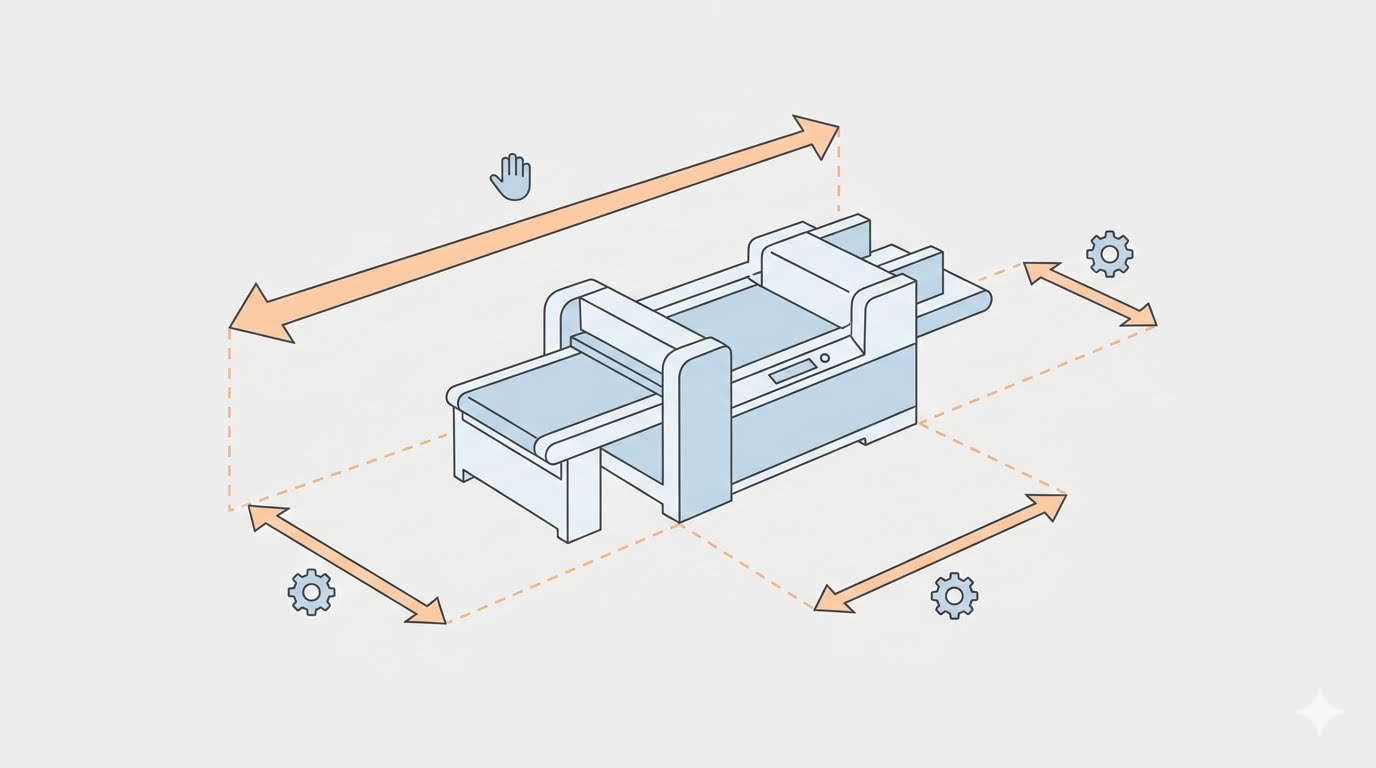
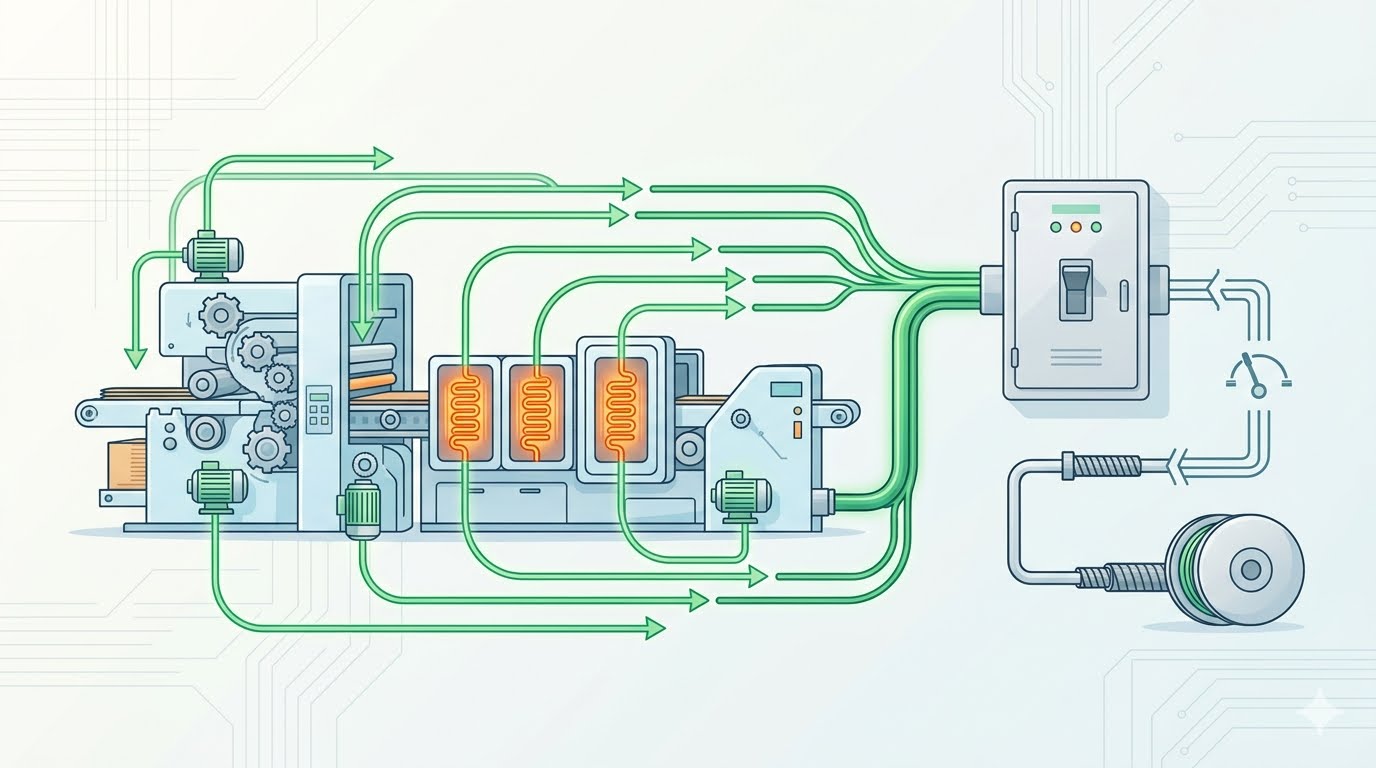
A fully automatic two-piece folding and gluing machine takes each blank through feeding, gluing, folding, splicing, patting and conveying as one connected sequence. The defining feature is the two-piece construction. When a carton is too large to come from a single sheet, two boards are joined at a splice and glued during the same pass, and the finished carton leaves the line ready for bundling. Large gift cartons for tea and coffee collections belong naturally to this process, as do the corrugated shippers used for bulk and wholesale deliveries; one supplier of tea packaging lists a corrugated wholesale shipper format for bulk transit and delivery.
The machine does not choose the carton style, the board grade or the print. Those decisions belong to the carton maker and the brand. What the machine contributes is repeatable control over how a chosen design is folded and bonded, so that the carton arriving at the packing table matches the sample that was approved. Printed cartons are part of everyday production on this type of equipment, and the aim is to keep the folded result as clean as the flat blank was. The type of carton that suits this machine depends on its construction, and carton makers should compare a proposed gift box style with the machine's folding and gluing capabilities before committing to production.
Features of Our Machine That Matter Most for Gift Cartons
The splicing section is where the large-carton geometry is set. Two servo-driven belt conveyors carry the boards to the joint, and photoelectric guidance supports accurate alignment as they meet. Better alignment at this stage limits skew in the finished box, which in turn helps inserts and dividers sit properly inside. The splice itself receives hot and cold double coating and steel-ball board pressing, giving the seam added strength where a filled gift carton is most likely to be stressed during handling.
The gluing section applies adhesive with mechanical rollers and can run hot glue or cold glue, with a spray glue system available as an option. The carton maker selects the method and the adhesive according to the board and the product, and the task of this section is to supply a steady glue line so that each seam has enough bonding area without pushing excess adhesive onto the carton surface. For a printed gift carton, keeping glue where it belongs is as much a matter of presentation as of strength.
Changeover completes the picture. The guide plates are adjusted by electric leading screws with a memory function, so a design that returns later in the season can be recalled from stored settings instead of being reset by hand. Gift packaging often repeats the same formats year after year, and stored settings shorten the preparation each time. Stable suction feeding at the entry, along with regular folding and neat patting, presents every carton in a uniform condition as it moves through the line.
Holding Output Steady When Holiday Orders Arrive
Holiday orders often bring more carton sizes, tighter deadlines and less time for adjustments. Our two-piece folding and gluing machine helps carton manufacturers handle these demands through reliable board splicing, consistent glue application and practical settings for repeat orders. As the manufacturer, we continue to refine our equipment based on real production needs, helping tea and coffee packaging suppliers keep orders moving while maintaining carton quality during busy seasons.
 Technical Encyclopedia