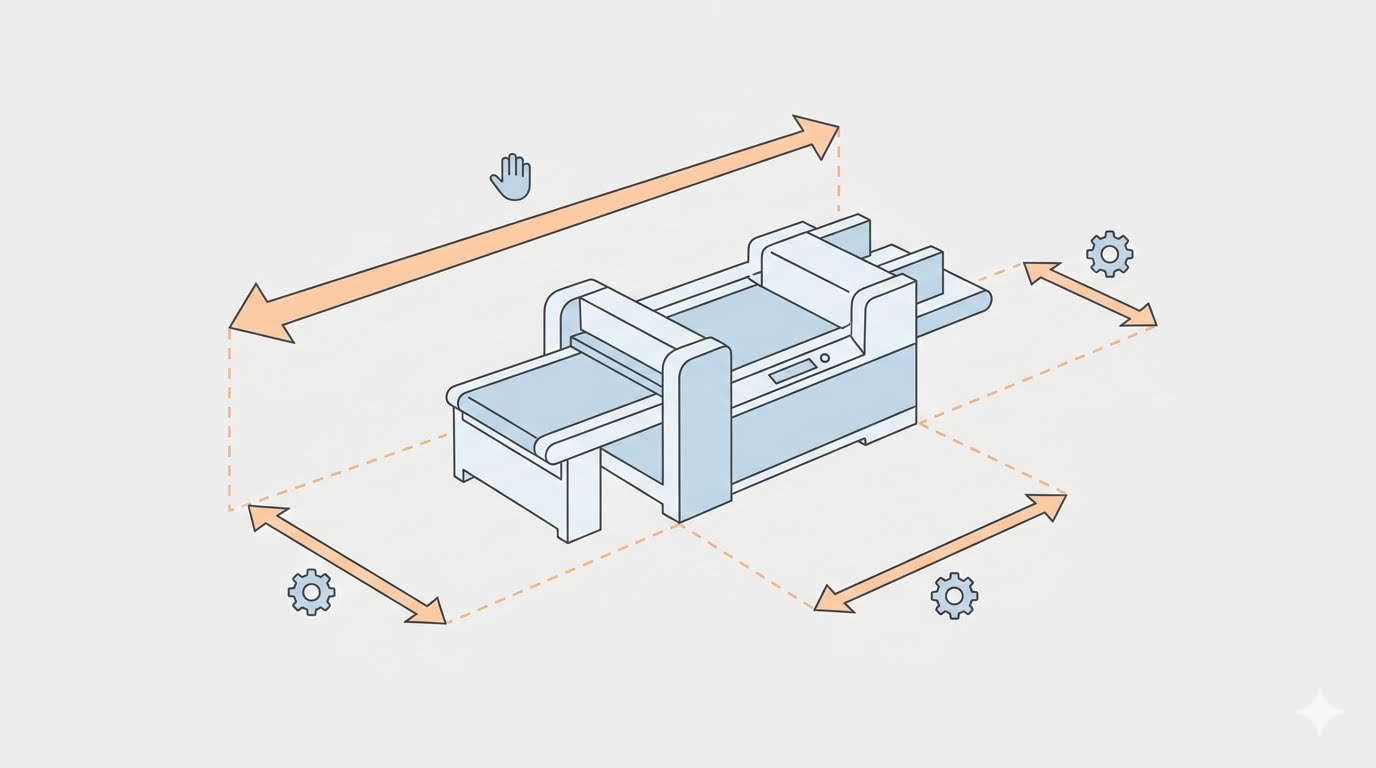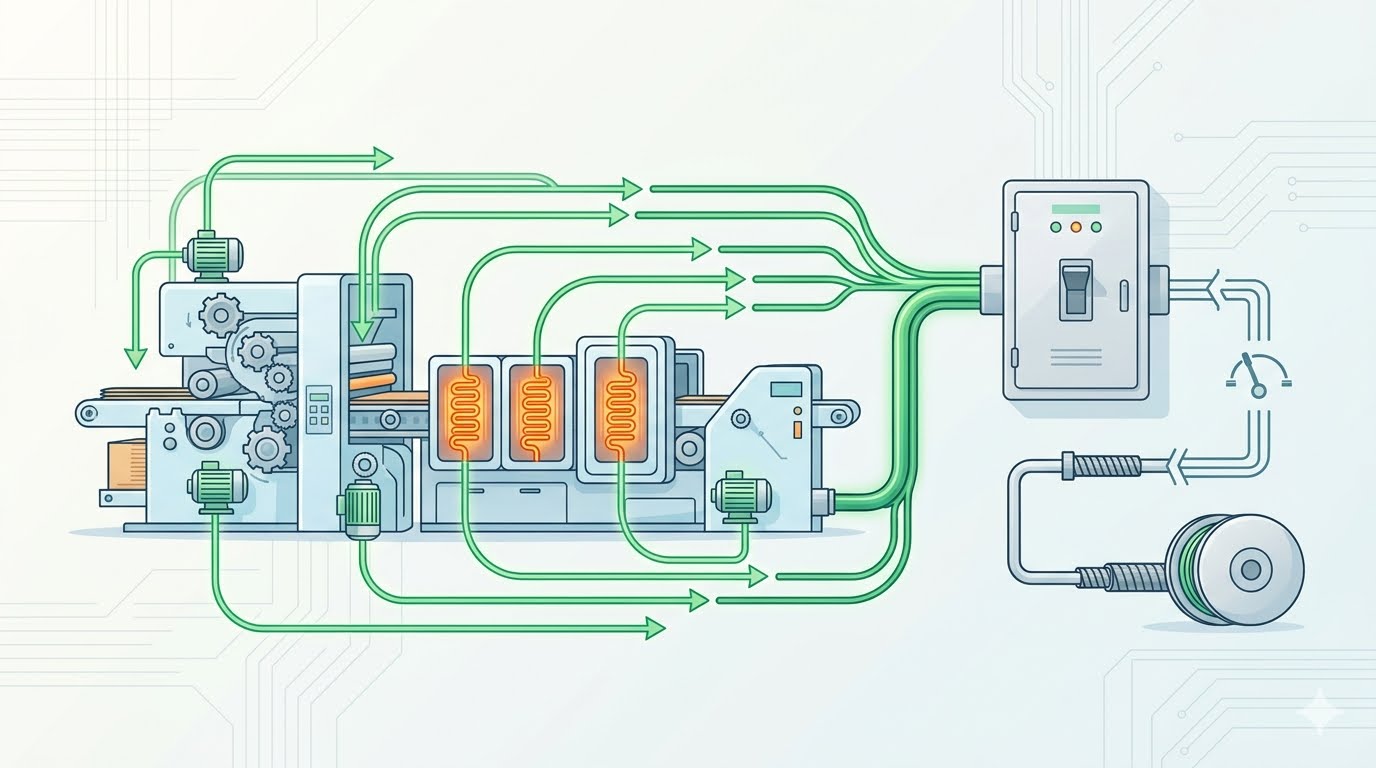


Standard carton orders are often built around repeatable specifications, with consistent dimensions, familiar box structures, and recurring production requirements. For carton manufacturers, the challenge is to maintain stable output while meeting delivery schedules and controlling production costs. A corrugated box folder gluer machine supports this type of work by folding and gluing cartons through a consistent process, making it suitable for orders that require reliable, repeatable results.
What Defines a Standard Carton Order
A standard order has a simple profile. The carton style is settled, the board grade rarely changes and the customer places repeat orders at intervals. Because the product is familiar, buyers compare suppliers mainly on delivery reliability and consistency, so a plant wins and keeps this business by running steadily and shipping on time.
Margins in this segment tend to be modest, which raises the importance of efficiency. A small rate of rejected cartons or an hour of unplanned stoppage weighs more heavily on a low-complexity order than on a specialty job with a higher price. Manual fold-and-glue work fits these orders poorly. The cartons are simple but numerous, so hand forming consumes a great deal of repetitive labor, and quality drifts with the pace and condition of the crew. These are the conditions in which automation tends to repay its place on the floor.
Matching the Forming Method to the Carton Design
The structure of a standard single-piece carton is fixed, with creases, a glue flap and an overlap position that stay the same on every blank. A folder gluer machine works on precisely these features. Blanks are fed one at a time, glue is applied to the flap, the panels are folded along the creases, and calibration squares the carton before the joint is pressed. Each stage addresses one element of the fixed design, so nothing in the process has to be improvised.
Repetition is the second point of fit. Once the machine has been set for a standard carton and the first piece has been checked, it can run for long periods without further adjustment. A plant that builds the same carton every week gains from this, because the settings do not need to be rebuilt for every order, and the output of the last hour of a run resembles the output of the first.
The third point is what happens after forming. Cartons leave the machine counted and stacked in orderly bundles, and standard boxes of uniform size move into bundling, strapping or packing without special handling. A neat handover keeps the stages after gluing from becoming the new bottleneck, which is often the real source of delay in standard production.

Fruit, Cable and Export Cartons in Repeat Production
Fruit and vegetable packaging offers a clear example. Cartons for produce follow standard dimensions, and demand gathers into seasonal peaks when harvests arrive, so plants need a steady output rhythm for a few busy weeks. Continuous forming helps a long batch advance at a predictable pace. Produce cartons are often exposed to humidity or cold storage, so the board grade and the joint must be chosen with those conditions in mind, and each producer should confirm suitability for its own supply chain.
Cable and electronic accessory cartons follow a different logic. Box styles are fixed, replenishment orders come back regularly, and the downstream equipment is frequently automatic. When cartons arrive at a filling or sealing line, even small differences in squareness or flap position can cause adjustments or stoppages. Closely matched dimensions from the folder gluer help that equipment run with fewer interruptions.
Export household goods are packed in standard cartons in large lots, and the lots are loaded into containers against a counted order. Orderly counted stacks make the tally and loading easier to manage. Not every standard carton belongs on a folder gluer, of course. Heavy-duty boxes that require stitched joints, and cartons with complex structures, may need other equipment, and we are glad to discuss those cases separately.
Serving Standard Carton Production with Our Machine
We design our corrugated box folder gluer machine for continuous, repeatable production. An automatic belt suction system feeds the blanks, and gluing, folding, calibration and bonding follow in sequence. At the output end, cartons are counted and stacked, and an optional box-flipping function and packing arrangement can be matched to the plant layout.
For produce cartons, the steady feed and continuous forming support the long batches that harvest season brings, so the line holds a regular pace when volume rises. For cable and electronic accessory cartons, automatic calibration and even pressing help produce square cartons with a consistently placed joint, which suits automated filling and sealing equipment further along. For export goods, the counted and stacked output simplifies the check against the order quantity and the move to packing and loading.
Setting Up a Line for Orders That Keep Returning
Equipment selection for standard cartons begins with an honest look at the order book. How many carton styles recur, what quantities the customers order, how often they return and what equipment follows the gluing stage will all shape the right configuration. The largest board size a machine can process matters less here than steady running and a clean handover to the next step.
Our corrugated box folder gluer machines are designed to support consistent carton production across recurring orders. Share your box specifications and production requirements with us, and we can help you identify a suitable machine configuration for your daily operations.
 Application Scenarios