

Manual carton folding and gluing requires workers to handle blanks, apply adhesive, align panels and stack finished boxes. As production volumes increase, these tasks can take up a significant share of a shift’s labor time. A single-piece folder gluer line combines several forming operations into a coordinated process, changing how workers are assigned across the production line. The actual staffing impact depends on carton specifications, output requirements and the level of automation in the existing workflow.
The Positions Behind a Manual Fold-and-Glue Line
A manual line rests on a chain of hand operations. One worker applies glue to the flap, another folds the panels along the creases, and a third presses the joint so that the bond sets evenly. Around these forming tasks sit supporting roles: someone squares and feeds the blanks, someone inspects and sets aside faulty cartons for rework, someone counts the finished boxes, someone stacks them into bundles and someone carries the bundles to the packing area.
Each position adds coordination work. The crew must move at a shared pace, because a slow gluing station leaves the folding station idle and an overloaded stacking station backs up the line. Skill and stamina differ from person to person, so the rhythm shifts during the day, and an absence on any station disturbs the whole sequence. Output also grows by adding people rather than by adjusting a process, which means that a rise in orders brings a matching rise in scheduling, supervision and training effort. The work itself is repetitive, and fatigue shows up in glue lines and fold accuracy toward the end of long shifts.
Work That Moves to the Machine and Work That Stays With People
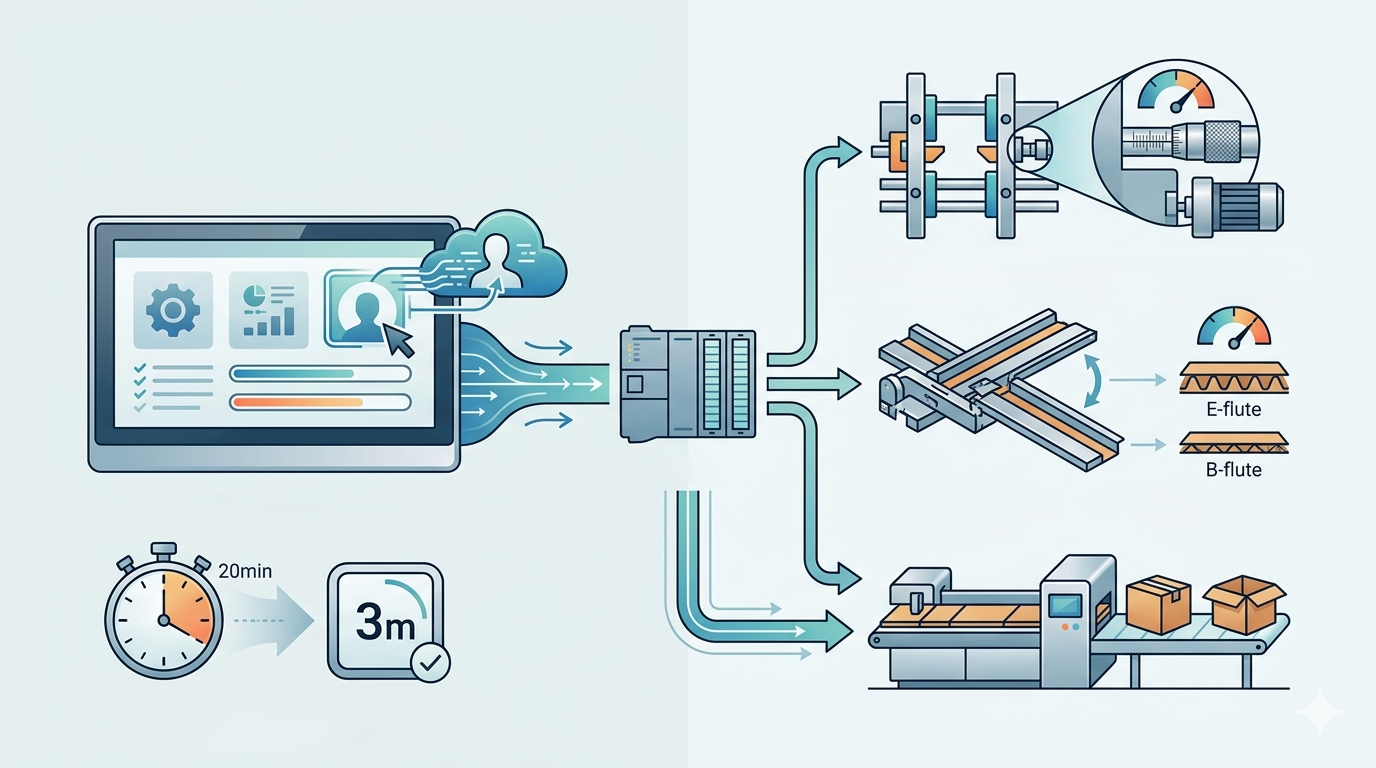
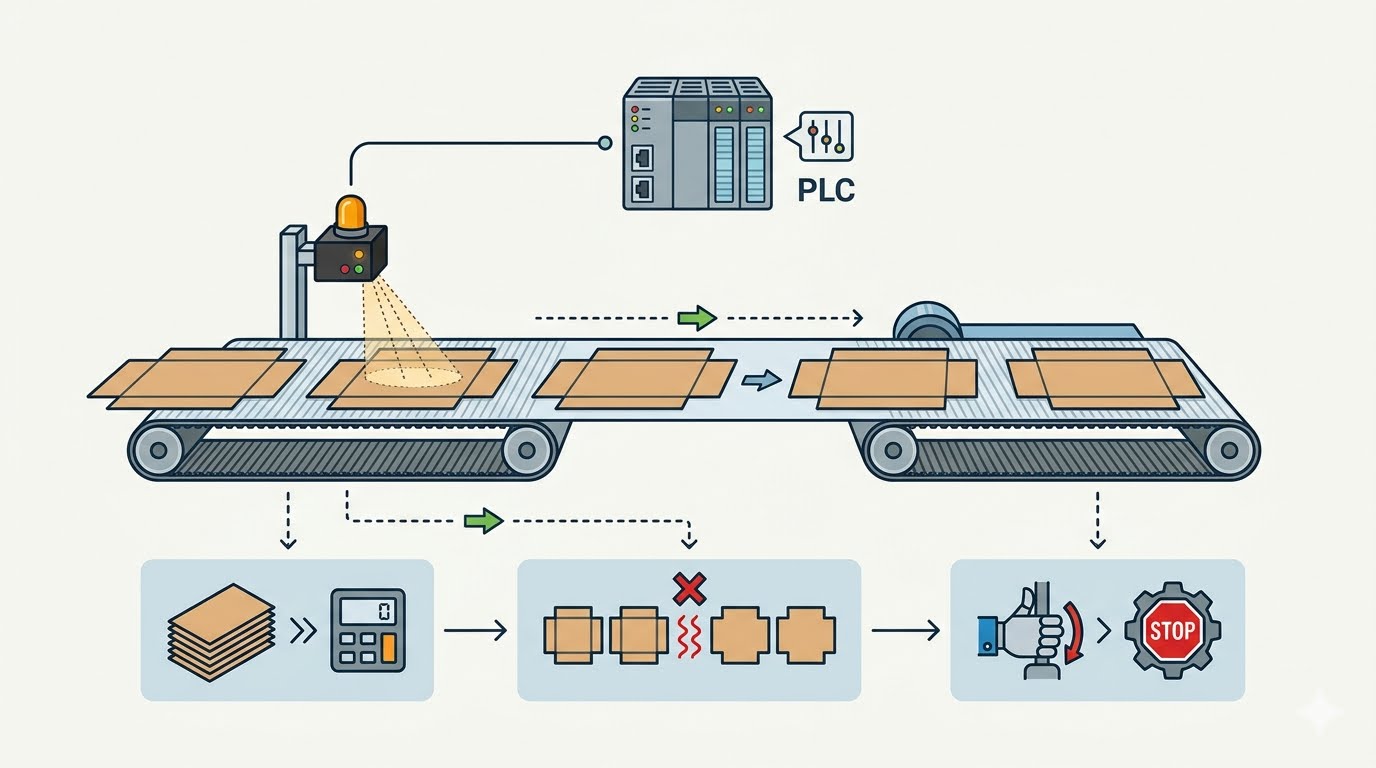
A single-piece folder gluer line carries out the forming sequence continuously. An automatic belt suction system feeds blanks one at a time, glue is applied, the panels are folded, automatic calibration squares the carton and the joint is pressed. Counting and stacking take place at the output end, and an optional box-flipping function and packing arrangement can extend the line toward bundling.
The positions most affected are therefore the direct forming roles, meaning gluing, folding and pressing, together with manual counting and stacking. Their workload falls substantially, because the machine performs the same motions without a person at each station. Rework and sorting also decline when cartons leave the line with more consistent folds and glue placement, although spot inspection remains necessary. Loading and carrying do not disappear but change in character. Operators load blanks in batches and collect counted stacks instead of handling cartons one by one.
Several roles stay in place. Someone must operate and monitor the machine, adjust it when the carton size changes, carry out routine cleaning and care, and check samples against the order specification. How many people a given line needs depends on production volume, carton style, shift arrangement and whether the flipping and packing options are fitted, so we avoid quoting a fixed number. The practical effect is a shift in the type of work, from repeated hand operations toward supervision and checking.
Crew Planning Across Footwear, Seasonal Gift and Pet Product Cartons
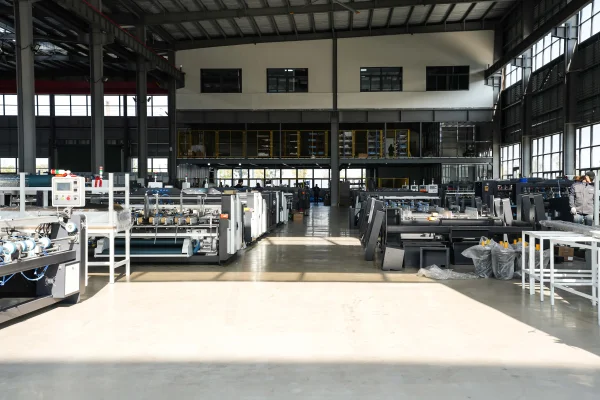
Footwear and bag cartons show the clearest change. These boxes tend to follow standard styles and are ordered in large quantities, so manual forming and stacking positions consume the largest share of the crew. With continuous machine forming, the plant can concentrate its people on loading and inspection, and the crew pattern becomes easier to fix from one shift to the next.
Seasonal gift and festival goods create a different staffing pattern. Orders for such cartons gather into short peaks, and manual plants usually answer a peak by adding temporary workers who need time to reach a steady pace. A machine line separates capacity from headcount to a greater degree, since the output depends on the machine's running condition rather than on how many hands are available that week. This makes peak scheduling more predictable, though a plant should still plan loading and collecting staff for the busiest weeks.
Pet supplies and toys bring many carton sizes in small and medium batches. The broad board size range of our machine allows more of these specifications to run on one line, which limits the number of separate manual stations and the amount of work sent outside the plant. Manual gluing keeps a role here as well. Very small batches or unusual carton shapes may still be better handled by hand, and many plants retain a small manual area for exactly those jobs.
Building a Steadier Crew Around Our Machine
Our machine is built so that the crew can be organized around a steady routine. Continuous feeding, folding, calibration and bonding give footwear and bag producers a regular rhythm, which makes it easier to assign the same small group to the line shift after shift and to plan breaks and handovers without interrupting production.
At the output end, orderly counted stacks simplify the handover to bundling or packing, and the optional flipping and packing arrangement can be matched to the plant layout. During seasonal peaks this reduces the manual counting and carrying that would otherwise absorb extra temporary staff. Stable running supports the same goal from another direction, because frequent stoppages break shift plans and leave operators waiting. We design and build our machines for steady operation, and our after-sales team supports customers throughout the machine's service life, so operators and supervisors have a clear contact if questions arise.
Matching the Crew to the Carton Line You Actually Run
A sound staffing plan begins with the order book. Carton styles, batch sizes, seasonal peaks, available shifts and the equipment after the gluing stage all determine how many people a line needs and what they should be doing. Replacing positions one for one rarely describes the result accurately. A more useful goal is to move people away from repeated hand forming and toward loading, monitoring and quality checks.
We manufacture single-piece folder gluer machines for carton producers with this kind of planning in mind. If you are comparing a machine line with your current manual setup, send us your carton styles, board sizes, expected volumes and current crew arrangement, and our team will review them with you and discuss a configuration that suits the way your plant is staffed.
 Application Scenarios