


A corrugated box folder gluer machine does not usually lose performance overnight. Wear tends to develop gradually through paper dust, adhesive buildup, improper adjustments, and delayed maintenance. Over time, these factors can affect folding accuracy, gluing consistency, and operating stability. For packaging plants, extending machine service life is therefore not only about replacing worn parts. It also depends on regular maintenance and a machine structure that makes inspection and servicing easier.
Where Wear Starts on a Folder Gluer Machine
Paper dust is one of the routine challenges in corrugated box production. It can accumulate around belts, bearings, rollers, guides, and other moving components, especially in the feeding and folding sections. If this buildup is not removed regularly, it can interfere with normal movement and make early signs of wear harder to identify.
Adhesive residue creates another maintenance concern. Glue rollers, glue boxes, and related components need regular cleaning because dried adhesive can affect glue application and make later adjustment more difficult. Cleaning these parts at the end of a production shift is generally easier than removing heavily hardened residue after several days of operation.
Mechanical adjustment also affects service life. Excessive belt tension, incorrect roller settings, or adjustments made without following the machine's operating procedure can increase stress on components. These problems may not cause an immediate failure, but repeated improper adjustment can accelerate wear over time.
For this reason, maintenance should not begin only after a machine shows an obvious fault. Regular inspection allows operators to identify contamination, looseness, abnormal noise, and other early signs before they develop into larger maintenance issues.
Why Machine Structure Matters for Long-Term Maintenance
Daily maintenance can only do so much if the machine is difficult to inspect or service. The transmission structure is therefore an important consideration when evaluating a corrugated box folder gluer machine.
Some conventional designs rely heavily on shared transmission systems. When several working sections are connected through the same mechanical transmission path, maintenance in one area may require adjustments to other sections. This can make troubleshooting more complicated and increase the time needed to access individual components.
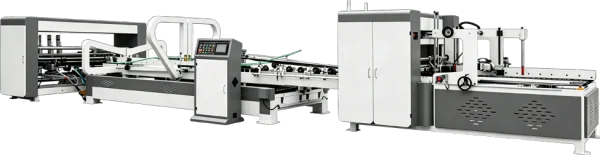
Our fully automatic high-speed folder gluer-stitcher machines use independent motor drives for key working sections, including the suction paper feeding unit, gluing station, folding assembly, and subsequent patting and splicing sections. This section-based drive structure helps separate the operation of different working units and makes maintenance more targeted.
For example, when inspection is required in the folding section, technicians can focus on the relevant drive and mechanical components without unnecessarily disturbing other working sections. This does not eliminate maintenance requirements, but it can make fault inspection, adjustment, and servicing more manageable.
A maintainable structure also gives routine maintenance greater practical value. Cleaning, lubrication, adjustment, and component inspection are easier to perform when the relevant working area can be accessed without extensive disassembly.
Daily and Weekly Habits That Help Reduce Wear
Maintenance is most effective when it becomes part of the normal production routine. After each shift, operators should remove paper dust from accessible areas and clean glue rollers, glue boxes, and other adhesive-contact components according to the machine's maintenance instructions. Removing residue before it hardens can make subsequent cleaning and adjustment easier.
Belts, chains, bearings, rollers, and other frequently used components should also receive regular visual inspections. Operators can look for looseness, unusual noise, visible damage, abnormal vibration, or signs of wear. If an abnormal condition is found, it is better to investigate the cause before continuing long periods of production.
Lubrication should follow the manufacturer's specified points, lubricant type, and maintenance interval. Over-lubrication is not necessarily better, while insufficient lubrication can increase friction and component wear. Maintenance records should therefore include lubrication and replacement information rather than relying only on operator memory.
Machine adjustments should also follow the recommended operating sequence. Speed changes, startup procedures, shutdown procedures, and section adjustments can vary by machine design. Following the manufacturer's instructions helps reduce unnecessary mechanical stress and avoids adjustments that may affect other working sections.
A simple maintenance log can make these practices more effective. Recording inspection dates, abnormal observations, replaced components, and adjustment history helps operators identify recurring issues and plan maintenance before a component reaches a critical condition.
Maintenance and Machine Design Should Work Together
A long service life depends on both operator habits and machine design. Even a well-designed corrugated box folder gluer machine still requires cleaning, lubrication, inspection, and timely replacement of worn components. At the same time, a machine designed with accessible working sections and independent drives can make those maintenance tasks more practical.
Our folder gluer machines are developed with long-term operation and serviceability in mind. The company has more than 14 years of industry experience, with core technical staff averaging over 14 years of experience. Its equipment has been supplied to more than 30 countries and regions, and the company has developed more than a dozen technical patents and intellectual property applications. Some of our technologies are CE certified.
Extending the service life of a corrugated box folder gluer machine requires both consistent maintenance and a structure that supports long-term use. Independent drives, accessible working sections, and durable mechanical components can make routine inspection and servicing more practical. Combined with proper cleaning, lubrication, and timely adjustment, these design features help maintain stable machine performance throughout years of production.
 Application Scenarios





