


In modern carton converting, automatic double-sided tape application requires high efficiency and precise positioning. As tape heads increase, the pneumatic system becomes critical for stable adhesive application, sharp cutting, and smooth feeding.
The compressed air drives all key pneumatic components, including tape presses and cutting cylinders. To ensure reliable continuous production, our automatic multi-head double-sided tape applicator machine requires a stable air supply of min. 6 bar. Insufficient air pressure will cause unsynchronized head movements and misaligned tape cuts. Proper air supply setup is essential to maximize overall machine performance and operational reliability.
Common Challenges in Automatic Double-Sided Tape Application Processes
Limitations of Conventional Tape Application Equipment
Traditional tape application methods often rely on manual adjustment or mechanical structures with limited automation. When production demand increases, these methods may face challenges in maintaining consistent feeding, accurate tape positioning, and efficient material changeover.
In sheet processing applications, unstable feeding is one of the common problems. If the feeding mechanism does not provide sufficient friction or pressure control, sheets may experience slipping, uneven conveying, or occasional feeding interruptions. These issues can affect the alignment between the sheet and the adhesive tape position.
Another challenge is the time required for tape replacement and machine adjustment. Conventional equipment may require more manual operations during adhesive roll changes, especially when multiple tape positions need to be adjusted for different product specifications. Longer setup procedures can increase production downtime and reduce equipment utilization.
The delivery section also influences overall workflow efficiency. Without an organized collection system, finished sheets may accumulate unevenly, requiring additional manual sorting and handling after production.
Modern automatic multi-head double-sided tape applicator machines are designed to address these challenges through coordinated feeding, pneumatic control, and automated tape application structures.
Effects of Insufficient Air Pressure on Multi-Head Tape Application Performance
The pneumatic system plays an important role in maintaining consistent operation of multiple tape application units. When compressed air pressure is below the recommended working range, pneumatic components may not generate sufficient force for stable movement.
For example, tape pressing mechanisms may experience reduced contact pressure, which can influence adhesive attachment quality. The cutting cylinder may also lose effective operating force, resulting in incomplete tape cutting or irregular cutting edges.
In multi-head configurations, unstable air pressure may create differences between individual tape heads, affecting synchronization during simultaneous application. Maintaining a stable compressed air supply around 6 bar helps pneumatic components operate within their designed working conditions and supports consistent production quality.
Pneumatic and Mechanical Design Advantages of Modern Double-Sided Tape Machines
High-Friction Feeding System for Stable Sheet Transfer
A reliable feeding system is essential for automatic double-sided tape application. Modern automatic multi-head double-sided tape applicator machines typically use high-friction conveying belts and optimized pressure structures to improve sheet transportation stability.
Compared with conventional feeding methods, high-friction belt systems provide better contact between the sheet surface and conveying components. This design helps reduce slipping during high-speed operation and supports smoother sheet movement through the tape application area.
Pneumatic pressing wheels are also integrated into many machine configurations to maintain stable sheet contact. With a compressed air supply of around 6 bar, the pneumatic pressing system can provide consistent downward force, helping maintain accurate feeding performance for different sheet materials.
The combination of mechanical friction control and pneumatic assistance allows the machine to handle various applications, including carton sheets, paperboard products, and other industrial substrates requiring double-sided adhesive positioning.
Efficient Double-Sided Tape Roll Replacement Design
Production efficiency is not only determined by machine running speed but also by the time required for material changes and adjustments. A practical tape replacement structure can help reduce downtime during production changeovers.
The automatic multi-head double-sided tape applicator machine can be designed with a rotating tape head structure, allowing operators to replace adhesive rolls and complete adjustments more efficiently. This type of design reduces the need for complex manual operations and improves convenience during daily production.
For manufacturers handling different product specifications, faster material replacement provides greater flexibility. Operators can switch between tape types, widths, or application positions with improved efficiency while maintaining stable machine settings.
Efficient changeover design is especially valuable in industries with multiple product models, customized packaging orders, or frequent production adjustments.
Scale-Type Delivery System for Organized Sheet Collection
The delivery section directly affects post-processing efficiency. An organized sheet collection system helps operators manage finished products more effectively and reduces additional handling work.
Some automatic multi-head double-sided tape applicator machines adopt a scale-type delivery structure, where sheets are arranged in an overlapping pattern during output. This configuration allows finished sheets to be collected in a more orderly manner and supports smoother transfer to the next production stage.
Integrated Pneumatic System for Multi-Head Operation
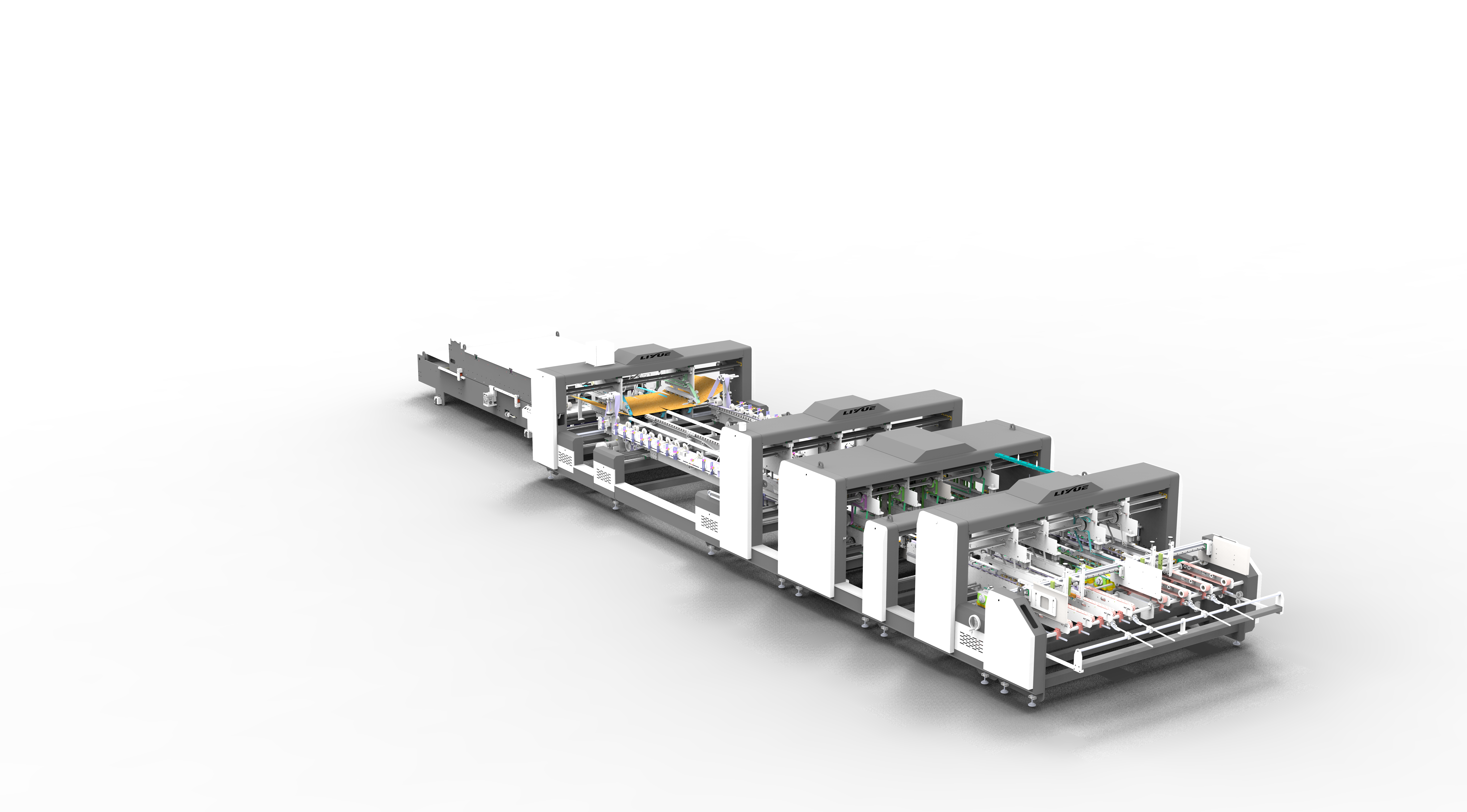
An automatic multi-head double-sided tape applicator machine combines multiple tape application units into one coordinated production system. The pneumatic system provides power for several important functions, including tape pressing, cutting, and positioning operations.
A properly configured pneumatic circuit distributes compressed air to different working units while maintaining stable operating pressure. For industrial applications, an air supply of around 6 bar is commonly used as a reference value, although the final requirement may vary depending on machine configuration, tape head quantity, and production conditions.
The integration of pneumatic components with mechanical transmission systems allows multiple tape heads to operate together while maintaining application consistency. This design is suitable for manufacturers requiring efficient processing of large-volume packaging materials and customized sheet products.
Maximizing Production ROI Through Advanced Machine Integration
A stable air pressure of min. 6 bar serves as the foundational power source for precise multi-head tape application. However, true production efficiency relies on the seamless synergy between this reliable pneumatic force and advanced mechanical design.
By integrating high-friction feeding, 30-second rapid tape changeovers, and high-efficiency collection systems, our fully automatic multi-head double-sided tape applicator machines eliminate the bottlenecks of traditional converting equipment. We combine robust pneumatic stability with cutting-edge automation to help you reduce downtime, minimize waste, and significantly boost your daily output.
Contact us today to discover how our customized machine configurations can optimize your packaging line and elevate your production capacity.
'/%3e%3cpath%20id='Rectangle%20455'%20d='M0%2011.1428H5.57143L22.2857%2052H0V11.1428Z'%20fill='%23CE221D'/%3e%3c/g%3e%3cdefs%3e%3clinearGradient%20id='paint0_linear_888_3811'%20x1='0'%20y1='26'%20x2='401.607'%20y2='26'%20gradientUnits='userSpaceOnUse'%3e%3cstop%20stop-color='%23153B8A'/%3e%3cstop%20offset='1'%20stop-color='%23153B8A'%20stop-opacity='0'/%3e%3c/linearGradient%3e%3c/defs%3e%3c/svg%3e) Products
Products
'/%3e%3cpath%20id='Rectangle%20455'%20d='M0%2012H6L24%2056H0V12Z'%20fill='%23CE221D'/%3e%3c/g%3e%3cdefs%3e%3clinearGradient%20id='paint0_linear_769_2773'%20x1='0'%20y1='28'%20x2='432.5'%20y2='28'%20gradientUnits='userSpaceOnUse'%3e%3cstop%20stop-color='%23153B8A'/%3e%3cstop%20offset='1'%20stop-color='%23153B8A'%20stop-opacity='0'/%3e%3c/linearGradient%3e%3c/defs%3e%3c/svg%3e)


