


In industrial adhesive tape processing, machine weight is more than a basic specification listed on a technical sheet. It reflects the structural design, material selection, and engineering considerations behind equipment stability and long-term operation.
For automatic multi-head double-sided tape machines, automatic glue scraping and release paper pasting machines, and triangle double-sided tape machines, suitable weight distribution helps improve frame rigidity, reduce vibration during continuous operation, and support consistent processing accuracy.
The Importance of Machine Weight Matters in Adhesive Tape Processing Equipment
Adhesive tape processing machines usually involve multiple mechanical actions, including material feeding, positioning, tape application, cutting, laminating, and conveying. During continuous production, these movements generate dynamic loads that affect the machine frame and processing components.
When production speed increases or more processing stations are integrated into one machine, the equipment needs sufficient structural support to maintain stable operation. A properly designed machine frame helps control mechanical vibration, maintain the relative position of processing units, and reduce unnecessary stress on moving components.
For example, automatic multi-head double-sided tape machines require several tape application heads to work together. The frame must provide stable support for each working unit to maintain consistent positioning during repeated operations. Similarly, glue scraping and release paper pasting machines require stable pressure control during coating and laminating processes, which places additional requirements on machine structure.
The Influence of Lightweight Structures on Long-Term Operation
In some low-cost equipment designs, manufacturers may reduce material usage in the frame structure or simplify supporting components to lower production costs. If the overall structure does not match the working requirements, the machine may experience greater vibration or reduced stability during continuous operation.
Potential effects include:
- Reduced stability of tape positioning during high-speed processing;
- Increased vibration around cutting and transmission components;
- Additional stress on bearings, guides, and mechanical parts;
- More frequent adjustment requirements during long-term use.
However, lightweight design is not always a disadvantage. For semi-automatic machines with lower mechanical loads and fewer automated stations, a compact structure can provide practical benefits, including easier installation, flexible operation, and lower space requirements.
The important consideration is whether the machine weight matches the intended application. A semi-automatic machine and a high-speed automatic production system have different structural requirements, so their weight configurations naturally differ.
Engineering Design Behind Adhesive Tape Processing Machine Weight
A well-designed adhesive tape processing machine uses weight as part of an overall mechanical engineering approach. Instead of simply increasing material thickness, manufacturers need to optimize the frame structure, load distribution, and connection points of key components.
A reinforced machine frame can improve overall rigidity by providing stronger support for:
- Tape application mechanisms;
- Cutting assemblies;
- Guide systems;
- Transmission components;
- Automatic feeding structures.
During continuous operation, improved frame stability helps reduce the influence of vibration on precision components. The structural design also affects the service condition of mechanical components. When the frame provides stable support, bearings, gears, and transmission systems can operate under more consistent loads, which helps reduce unnecessary wear caused by vibration or misalignment.
Relationship Between Machine Weight and Core Processing Systems
Automatic Multi-Head Double-Sided Tape Machine
Automatic multi-head double-sided tape machines are designed for efficient processing of paper boxes, packaging materials, and other products requiring multiple tape applications. Because several tape heads operate together, the machine requires a stable platform to support synchronized movement.
Our machines range from 1200kg to 1700kg, depending on configuration and working requirements.
This structural design supports:
- Multiple tape head operation;
- Stable positioning during repeated cycles;
- Reliable performance in continuous production environments.
The heavier frame configuration is mainly related to the need for stronger support when integrating more automatic functions and higher production capacity.
Automatic Glue Scraping and Release Paper Pasting Machine
Automatic glue scraping and release paper pasting machines combine glue coating, scraping control, and release paper laminating processes. These operations require stable mechanical pressure and consistent material movement.
Our machine weight is 1200kg , which commonly used for this type of equipment because the structure needs to support:
- Glue scraping mechanisms;
- Laminating pressure systems;
- Release paper feeding and tension control components.
A stable frame helps maintain consistent processing conditions, especially when working with different adhesive materials and production requirements.
Triangle Double-Sided Tape Machine
Triangle double-sided tape machines are available in different configurations according to automation level and production needs.
Our semi-automatic triangle double-sided tape machines around 400kg are designed for flexible production environments. Since these machines usually involve fewer automatic processing units and lower mechanical loads, a compact structure can meet practical production requirements.
These models are suitable for:
- Small and medium batch production;
- Multiple product specifications;
- Workshops requiring flexible operation.
The fully automatic triangle double-sided tape machines are designed with a heavier structure of approximately 1500kg to support integrated automatic functions, including feeding, positioning, tape application, and cutting systems. The reinforced frame provides stable support for continuous automated production, helping maintain consistent processing performance during long-term operation.
Manual Double-Sided Tape Machine
Manual double-sided tape machines usually have simpler operating methods compared with automatic equipment, but stable mechanical construction remains important for processing consistency.
With a weight of around 800kg, these machines can provide a stable working platform while maintaining practical operation for different production requirements.
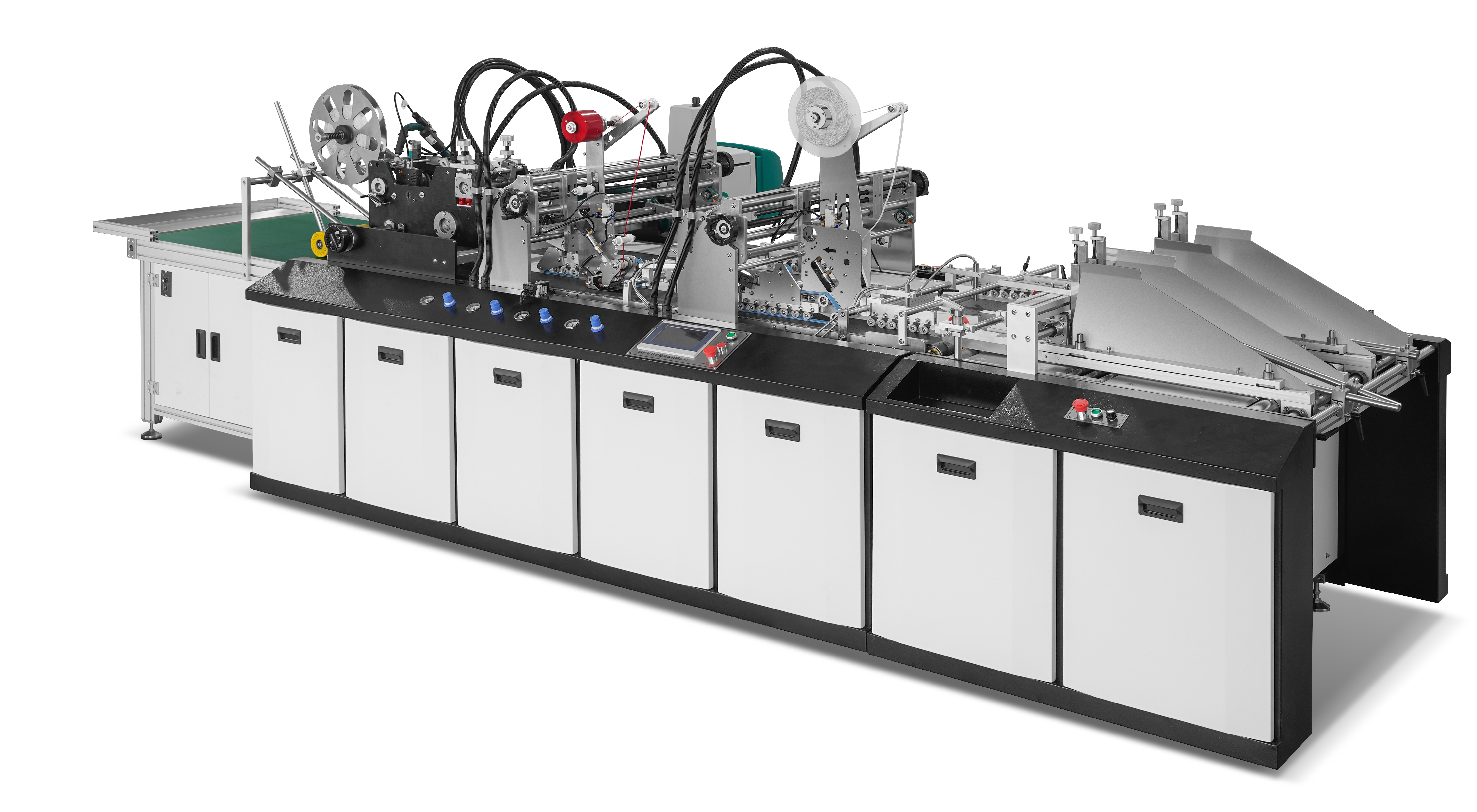
In adhesive tape processing machines, weight parameters represent more than a number on a specification sheet. They reflect the relationship between machine structure, engineering design, processing stability, and long-term operation requirements.
From compact 400kg semi-automatic triangle double-sided tape machines to 1700kg automatic multi-head double-sided tape machines, different weight configurations are developed for different production scenarios. The correct balance between machine weight, automation level, and application requirements helps manufacturers achieve reliable processing performance.
Contact our engineering team to discuss suitable equipment configurations based on your product specifications, production capacity, and manufacturing requirements.
'/%3e%3cpath%20id='Rectangle%20455'%20d='M0%2011.1428H5.57143L22.2857%2052H0V11.1428Z'%20fill='%23CE221D'/%3e%3c/g%3e%3cdefs%3e%3clinearGradient%20id='paint0_linear_888_3811'%20x1='0'%20y1='26'%20x2='401.607'%20y2='26'%20gradientUnits='userSpaceOnUse'%3e%3cstop%20stop-color='%23153B8A'/%3e%3cstop%20offset='1'%20stop-color='%23153B8A'%20stop-opacity='0'/%3e%3c/linearGradient%3e%3c/defs%3e%3c/svg%3e) Products
Products
'/%3e%3cpath%20id='Rectangle%20455'%20d='M0%2012H6L24%2056H0V12Z'%20fill='%23CE221D'/%3e%3c/g%3e%3cdefs%3e%3clinearGradient%20id='paint0_linear_769_2773'%20x1='0'%20y1='28'%20x2='432.5'%20y2='28'%20gradientUnits='userSpaceOnUse'%3e%3cstop%20stop-color='%23153B8A'/%3e%3cstop%20offset='1'%20stop-color='%23153B8A'%20stop-opacity='0'/%3e%3c/linearGradient%3e%3c/defs%3e%3c/svg%3e)


